Material Digitalisation with MIO
The Digitisation of Materials: the Future of Design with MIO
In the realms of design and manufacturing, material digitalisation is the key to a more innovative and sustainable future. It bridges the gap between online shopping and in-store experiences, creating meaningful customer journeys.
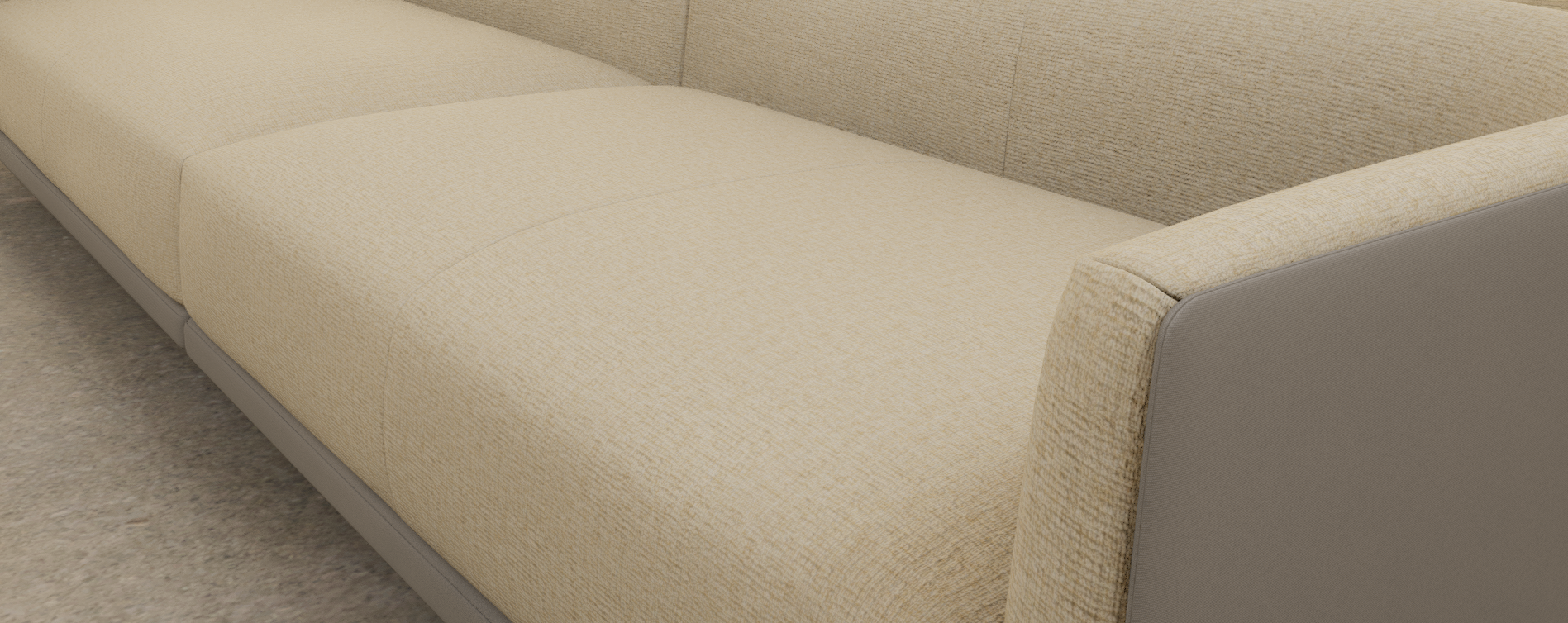
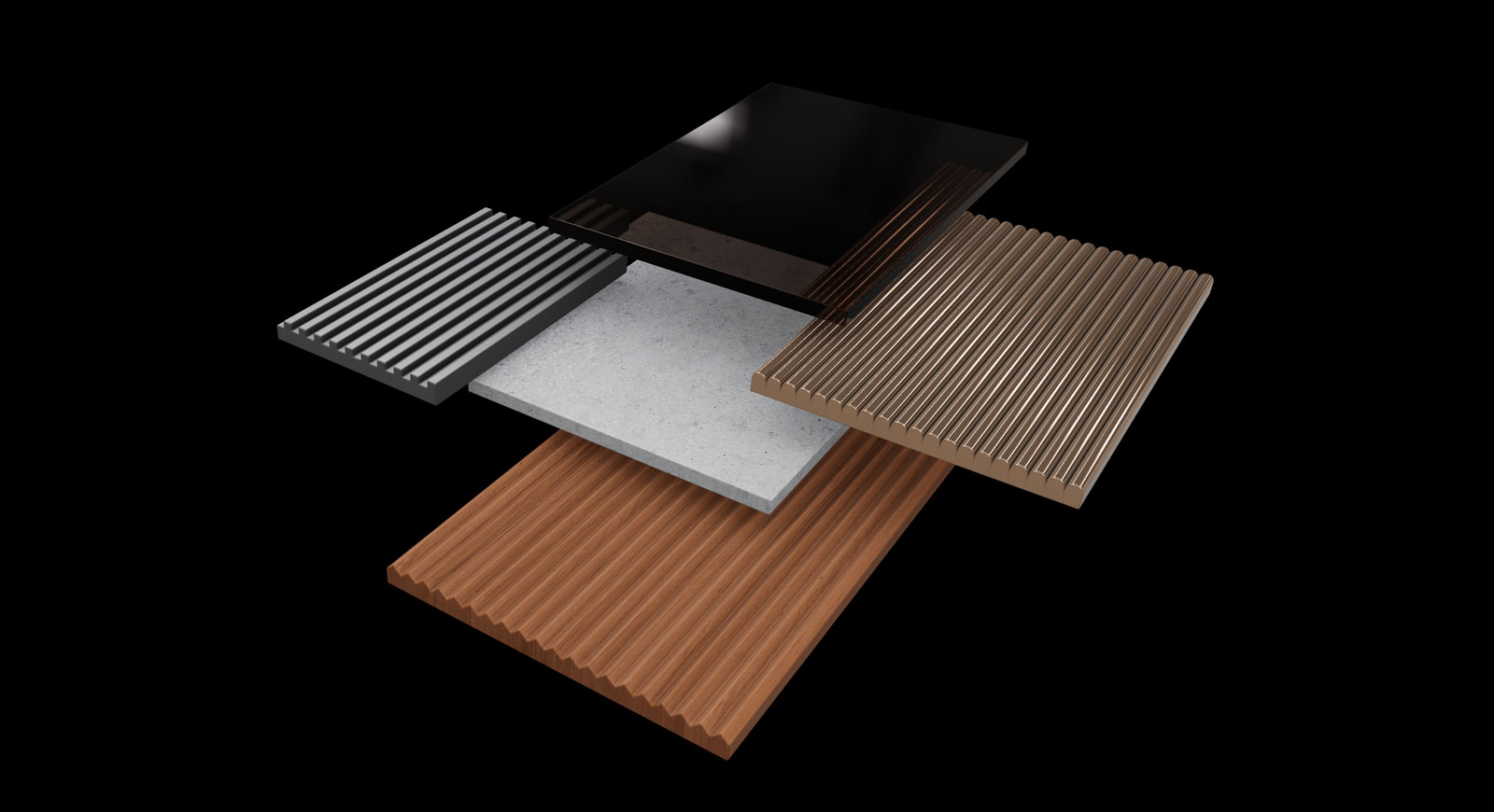
But what does it mean to digitise materials? Material digitisation refers to transforming fabrics, leathers, metals, and other surfaces into highly detailed digital replicas. This process captures every visual and tactile aspect of a material, creating a "digital twin" that can be used for virtual prototyping and product customisation.
MIO, the advanced 3D/VR configurator for products and environments, offers this strategic service through Metaverso, a digital agency with 20 years of experience in 3D graphics. This enables design companies to obtain, manage, and visualise digital material samples in 3D.
Moreover, companies can utilise these digital assets throughout the entire product promotion chain, building a digital and material library that can be integrated into any marketing strategy.
Why Is Material Digitalisation Important?
- It allows for more accurate presentation of your products online, in presentations, on social media, in e-commerce, and during the product configuration phase.
- It shows how specific materials would appear in particular environments, on certain furniture pieces, or under different lighting conditions.
What Are the Features of Material Digitalisation with MIO?
Material digitisation is carried out using specialised software and is based on various acquisition systems. The result is a set of PBR (Physical Based Rendering) textures that accurately reflect both visual and material characteristics. Cross-operability is achieved using standard 3D graphics formats (glb and converted formats such as obj, fbx, and 3ds). Furthermore, it involves the use of a specific web platform to gather and share assets and related information.
Material Digitisation and the Digital Twin
Advanced digital models allow for innovative development of Digital Twins, even within the design sector. These digital counterparts work alongside traditional prototyping to simplify product engineering by immediately identifying design challenges and highlighting aesthetic qualities. This results in a significant reduction in time-to-market and prototyping costs. This approach reduces reliance on expensive physical prototypes and accelerates the design process, enabling rapid modifications with instantly visible results.
The Benefits of Material Digitalisation
The advantages of digitalising materials with MIO are manifold. Firstly, accuracy: the technology used ensures absolute fidelity in material reproduction, allowing for realistic visualisation at every stage of the process. This enhances the quality of the brand experience for the potential customer interacting with the digital content.
Secondly, the creation of a proprietary Digital Library allows the company's Marketing department to anticipate the generation of communication content, utilising them in videos, images, infographics, and beyond.
Finally, there’s sustainability: material digitisation paves the way for virtual prototyping. By reducing the need for physical samples and transportation, companies can significantly lower waste and environmental impact. Linked to this is flexibility: designers can experiment and modify digital materials without limits, creating infinite variations and customisations.
With MIO, material digitisation is not just a service; it's a revolution that transforms how products are designed and realised. Innovation has never been so tangible, accessible, and, above all, sustainable.